
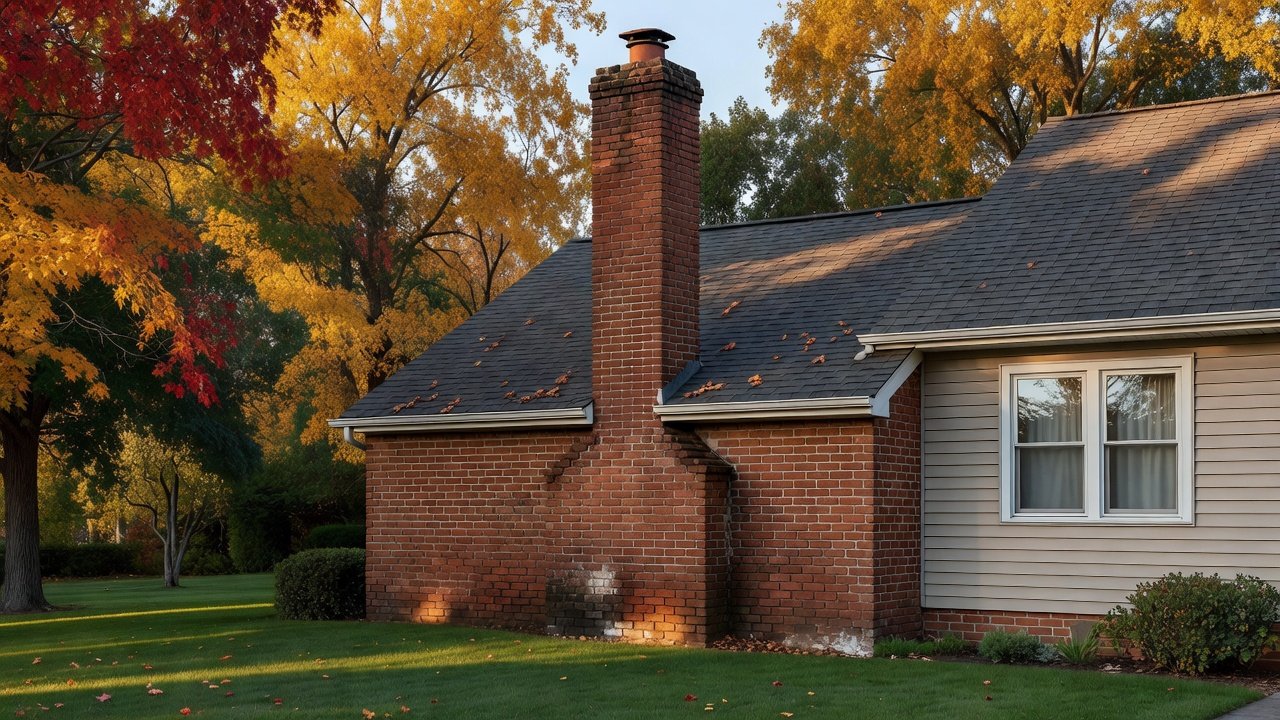
Your Chimney Is Telling You It Needs Waterproofing — Here’s How to Read the Signs
Water is the single greatest threat to a masonry chimney. It’s responsible for much of the deterioration that leads to costly chimney repairs, especially in climates like Deer Park, NY, where repeated freeze-thaw cycles put constant stress on brick and mortar. Moisture that enters small cracks expands when it freezes, gradually weakening the chimney’s structure and shortening its lifespan.
The good news is that your chimney usually gives you warning signs before major damage occurs. Learning to recognize those signs can help you schedule repairs early, avoid expensive restoration work, and keep your fireplace operating safely.
In this guide, we’ll explain the most common signs your chimney needs waterproofing, what they mean, and when it’s time to call a professional.
What Does Chimney Waterproofing Actually Include?
Professional chimney waterproofing involves much more than spraying a sealant onto brick.
A qualified chimney technician will first inspect the entire chimney system, including:
- Chimney crown
- Flashing
- Mortar joints
- Brick masonry
- Chimney cap
- Exterior surfaces
After any necessary repairs are completed, a vapor-permeable waterproofing agent is applied to the masonry.
Unlike ordinary sealants, professional chimney water repellents allow trapped moisture inside the brick to escape while preventing additional rain and snow from penetrating the chimney.
This breathable protection helps extend the life of the masonry without trapping moisture that could accelerate deterioration.
In Deer Park and throughout Suffolk County, professional chimney waterproofing generally costs between $300 and $700 for a standard single-flue chimney. Additional repairs such as crown rebuilding, flashing replacement, or tuckpointing may increase the overall project cost.
Warning Signs You Can Spot from the Ground
White Stains on the Brick (Efflorescence)
White, chalky streaks running down your chimney are called efflorescence.
These mineral deposits appear when water travels through the masonry, dissolves natural salts, and leaves them behind as the moisture evaporates.
While the stains themselves are mostly cosmetic, they indicate that water is actively moving through your chimney.
What it means: Moisture has already penetrated the masonry.
Recommendation: Schedule a professional inspection as soon as possible.
Crumbling or Receding Mortar Joints
Take a close look at the mortar between the bricks.
Healthy mortar should appear solid and consistent.
If you notice:
- Crumbling mortar
- Gaps between bricks
- Receding joints
- Loose material
water damage may already be weakening the chimney.
Repeated freeze-thaw cycles are one of the most common causes of mortar deterioration on Long Island.
What it means: Water is entering the chimney through deteriorating mortar.
Recommendation: Professional tuckpointing is usually needed before waterproofing can be applied.
Spalling Bricks
Spalling occurs when the face of a brick begins to chip, flake, or break away.
This happens after water saturates the brick and freezes repeatedly.
As frozen moisture expands, it places pressure on the brick until pieces begin separating from the surface.
What it means: The masonry has suffered structural water damage.
Recommendation: Damaged bricks should be replaced before waterproofing.
Rust Around the Fireplace or Damper
Orange or brown rust stains near the damper, firebox, or fireplace opening usually indicate long-term moisture intrusion.
Water may be entering through:
- A damaged chimney crown
- Missing chimney cap
- Faulty flashing
- Masonry cracks
What it means: Moisture is reaching metal components inside the chimney.
Recommendation: A professional inspection should identify the exact source of the leak.
Warning Signs Visible Near the Roof
Cracked Chimney Crown
The chimney crown protects the top of the chimney by directing water away from the masonry.
Even small cracks allow rainwater to enter the chimney system.
Over time, those small openings become larger as freezing temperatures expand trapped moisture.
If you can safely view the chimney using binoculars or from the ground, look for:
- Visible cracks
- Missing sections
- Separation around the flue
What it means: Water is entering from the top of the chimney.
Recommendation: Schedule repairs before another winter season.
Damaged Flashing
Flashing seals the area where the chimney meets the roof.
Watch for:
- Lifted flashing
- Loose metal
- Missing sealant
- Visible gaps
Although homeowners sometimes apply additional caulk, this rarely solves the underlying problem.
Proper flashing repairs usually require removing and reinstalling sections of flashing.
What it means: Water may be entering both the chimney and surrounding roof structure.
Recommendation: Have the flashing professionally evaluated.
Water Stains Inside the Home
Brown stains on ceilings or walls near the chimney are one of the clearest signs that water has already entered your home.
Interior staining often indicates moisture has traveled beyond the chimney itself.
Ignoring these signs can eventually lead to mold growth, damaged drywall, and structural repairs.
Recommendation: Contact a chimney professional promptly.
Warning Signs You Can Smell or Hear
Musty Odors Coming from the Fireplace
A damp, musty smell especially during summer is often caused by moisture trapped inside the chimney.
During warmer months, changes in indoor air pressure pull air down through the chimney, bringing those odors into your home.
What it means: Moisture is likely trapped inside the masonry.
Recommendation: If the odor continues or worsens, schedule an inspection.
Cracking or Popping Sounds
If your chimney produces popping or cracking noises during temperature changes—even when no fire is burning the masonry may be expanding and contracting because of hidden moisture damage.
Although some movement is normal, persistent noises can indicate deteriorating masonry.
Recommendation: Have the chimney professionally inspected.
What Homeowners Can Safely Do
Some minor maintenance tasks are appropriate for homeowners, including:
- Brushing away surface efflorescence
- Monitoring minor cosmetic staining
- Replacing a missing chimney cap (when safe to do so)
Regular visual inspections from the ground can also help you spot developing issues before they become major repairs.
What Should Be Left to the Professionals
Certain chimney repairs require specialized equipment and experience.
Professional chimney technicians should handle:
- Waterproofing applications
- Crown repairs
- Flashing repairs
- Tuckpointing
- Flue liner inspections
- Level 2 chimney inspections
- Structural masonry repairs
Applying non-breathable sealants to damaged masonry can trap moisture inside the chimney and accelerate deterioration instead of preventing it.
Professional waterproofing products are specifically designed to protect masonry while allowing trapped moisture to escape.
Why Early Waterproofing Saves Money
Water damage almost always becomes more expensive the longer it’s ignored.
Small cracks often require simple sealing or minor masonry repairs.
Left untreated, those same cracks may eventually require:
- Brick replacement
- Crown rebuilding
- Tuckpointing
- Flue liner repairs
- Interior water damage restoration
Preventive waterproofing is one of the most affordable ways to extend the life of your chimney and reduce long-term repair costs.
Frequently Asked Questions
1. How often should a chimney be waterproofed?
Most professional chimney waterproofing products protect masonry for 5 to 10 years, depending on weather exposure and the condition of the chimney.
2. Can waterproofing repair existing chimney damage?
No. Waterproofing prevents future moisture intrusion but does not repair damaged bricks, mortar joints, crowns, or flashing. Necessary repairs should always be completed first.
3. Is white staining on my chimney dangerous?
The staining itself isn’t dangerous, but it indicates that water is moving through the masonry. A professional inspection can determine whether repairs are needed.
4. Can I waterproof my chimney myself?
While DIY waterproofing products exist, professional chimney waterproofing includes a complete inspection and uses commercial-grade breathable sealants designed specifically for masonry chimneys.
5. When is the best time to waterproof a chimney?
Late spring through early fall is generally the best time because masonry is dry and temperatures allow waterproofing products to cure properly.
Protect Your Chimney Before Water Damage Gets Worse
Small signs of moisture today can quickly become major structural repairs tomorrow. Scheduling a professional chimney inspection before another freeze-thaw season can help you catch problems early, protect your masonry, and avoid costly restoration work.
Ridgewood Chimney proudly provides chimney waterproofing, inspections, masonry repairs, crown restoration, flashing repair, and preventive maintenance throughout Deer Park, Wyandanch, North Babylon, Dix Hills, and surrounding Suffolk County communities.
Contact Ridgewood Chimney today for a free chimney inspection. Our experienced technicians will carefully evaluate your chimney, identify any signs of water intrusion, and recommend the most effective solution to keep your chimney protected for years to come.