
Fact-Checked
Source Material Verified
Why Creosote Is One of the Biggest Fire Risks in Your Chimney
Deer Park is home to many older ranch houses and split-level homes with original masonry fireplaces. Many of those chimneys haven’t been professionally cleaned in years, and that matters more than most homeowners realize.
Creosote the tar-like residue that forms inside your chimney every time you burn wood is the leading cause of chimney fires in the United States, according to the National Fire Protection Association (NFPA).
Just one heating season can produce enough creosote to create a fire hazard. Wait two or three seasons without cleaning, and you’re essentially operating with a slow-burning fuse hidden inside your chimney.
This guide explains the chimney cleaning process from a homeowner’s perspective, including what to expect, what your chimney technician is doing, and how to know the job was completed properly.
Before You Start: Understand What You’re Dealing With
Creosote develops in three stages.
First-degree creosote is light, flaky, and relatively easy to remove with standard chimney brushes.
Second-degree creosote is thicker, darker, and tar-like, requiring more aggressive cleaning methods.
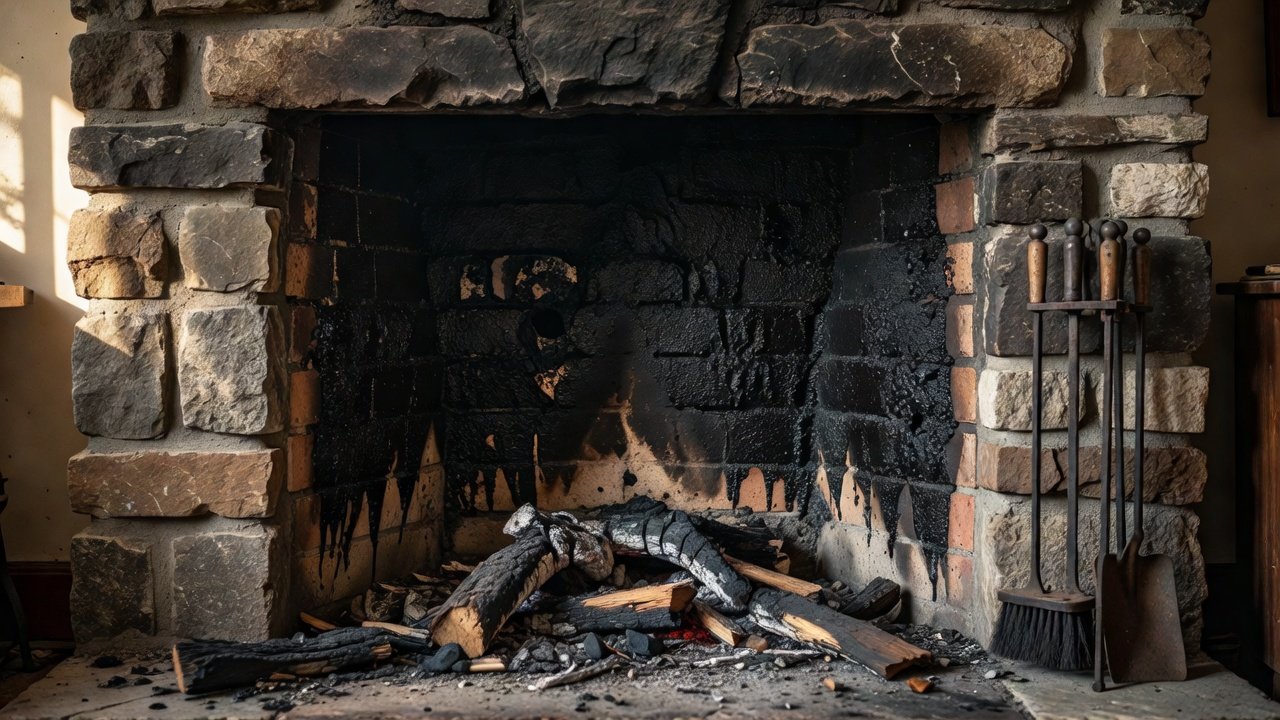
Third-degree creosote is hard, shiny, and resembles black glazed ceramic. It’s the most dangerous type because it’s highly combustible and the most difficult to remove.
If you’ve been burning unseasoned firewood, keeping fires small, or frequently allowing fires to smolder, third-degree creosote is much more likely to develop.
Many homes throughout Deer Park, Dix Hills, and Wyandanch that experienced years of heavy fireplace use without regular maintenance have significant creosote buildup.
Before scheduling a chimney cleaning, shine a flashlight into the firebox and look up the flue.
If you notice thick, shiny black deposits, mention that when calling a chimney company. The amount and type of buildup directly affect the cleaning method, labor involved, and overall cost.
Step 1: Schedule a Level 1 Inspection Before the Cleaning
Many homeowners assume the chimney should be cleaned before it’s inspected.
The correct order is actually the opposite.
A CSIA-certified chimney technician should inspect the chimney before cleaning because heavy creosote deposits can conceal damaged flue liners, cracked masonry, or blockages that may change how the work should be performed.
NFPA 211 recommends a Level 1 inspection for chimneys that receive regular use.
A typical inspection takes 30 to 45 minutes and includes the accessible portions of the flue, fireplace, damper, smoke chamber, and chimney exterior.
Most reputable chimney companies in Suffolk County include this inspection with a standard chimney cleaning, so homeowners generally shouldn’t have to pay for it separately.
Step 2: Prepare the Work Area
Before brushing begins, the technician should seal the fireplace opening using protective coverings and connect a high-powered vacuum system.
This step is important.
Creosote dust contains polycyclic aromatic hydrocarbons (PAHs), compounds the Environmental Protection Agency (EPA) identifies as potentially hazardous with repeated exposure.
A company that skips proper containment isn’t simply creating a mess it may also be affecting your indoor air quality.
Before the appointment:
- Move furniture away from the fireplace.
- Roll up nearby rugs if possible.
- Keep children and pets away from the work area until the cleaning is complete.
Even with professional containment equipment, chimney cleaning produces more dust than many homeowners expect.
Step 3: Understand How the Cleaning Process Works
For first- and second-degree creosote, chimney technicians typically use polypropylene or steel brushes matched to the dimensions of your flue.
Many older Deer Park homes have flues measuring approximately 8 × 8 inches or 8 × 13 inches, so using the correct brush size is essential.
The chimney may be cleaned from the roof downward or from the fireplace upward, depending on the chimney’s design and accessibility.
Throughout the process, a HEPA-filtered vacuum captures loosened debris.
Second-degree creosote often requires rotary cleaning equipment, which uses flexible rods and spinning brush heads to break apart hardened deposits.
Because this process is more labor-intensive, it usually costs more than a standard chimney sweeping.
Third-degree creosote is different.
Brushing alone typically isn’t enough.
Instead, technicians usually apply a specialized chemical treatment that softens the glazed creosote over one or more burn cycles before returning to complete the removal.
If a company claims it can eliminate heavy third-degree creosote in a single visit using only chimney brushes, consider that a warning sign.
Step 4: Ask to See the Results
Once the cleaning is complete, the technician should show you the debris removed from the chimney and explain the condition of the flue.
Professional chimney companies often provide photographs or video from the inspection camera, allowing you to see any damaged flue tiles, deteriorated mortar joints, or worn damper components.
Throughout Suffolk County’s coastal climate, moisture damage and masonry deterioration frequently accompany heavy creosote buildup.
Although they’re separate issues, they’re commonly discovered during the same inspection.
Step 5: Review the Inspection Report Carefully
A professional chimney company should provide a written report documenting its findings and referencing applicable NFPA 211 inspection standards.
If repairs are recommended, ask which ones are safety-related, and which are simply maintenance recommendations.
For example, a cracked flue liner isn’t optional.
It can allow dangerous combustion gases including carbon monoxide to enter your home instead of safely exiting through the chimney.
Step 6: Understand Typical Costs in Deer Park
Throughout Deer Park and neighboring Suffolk County communities:
- Standard Level 1 inspection with first-degree creosote cleaning generally costs $175 to $275.
- Second-degree creosote removal using rotary equipment typically ranges from $300 to $450.
- Third-degree creosote treatment and removal often cost $500 or more and may require multiple visits.
These are realistic local price ranges rather than promotional offers.
Always request a written estimate that identifies the stage of creosote and the cleaning method being recommended.
Step 7: Create a Cleaning Schedule
The CSIA recommends annual chimney inspections for every chimney that receives regular use.
If your household burns more than two cords of firewood each season, scheduling chimney cleanings twice a year may be worthwhile.
Ask your chimney technician to document the level of creosote found during each inspection.
Tracking that information over several years can reveal whether your firewood, burning habits, or chimney performance need improvement.
Troubleshooting Tip: If Your Fireplace Doesn’t Draft Well After Cleaning
Occasionally, homeowners notice poor draft immediately after a chimney cleaning.
In many cases, the problem isn’t the cleaning itself.
First, make sure the damper has been fully reopened.
If the damper is functioning properly, the issue may involve an undersized chimney cap, an improperly sized flue, insufficient chimney height, or another appliance competing for indoor air.
These are diagnostic issues rather than cleaning problems and usually require a camera inspection to identify the true cause.
Schedule Your Chimney Inspection Before the Heating Season
Ridgewood Chimney proudly serves homeowners throughout Deer Park, Dix Hills, Wyandanch, Huntington Station, and surrounding Suffolk County communities.
If your chimney hasn’t been inspected this season, now is the time.
Contact us today to schedule your free chimney inspection estimate. We’ll determine the level of creosote buildup, explain exactly what we find, and recommend only the cleaning or repairs your chimney actually needs before you light your next fire.
Related reading
James Whitfield, CSIA Certified Chimney Sweep
Senior Sweep Technician
CSIA-certified with over a decade of professional chimney and fireplace service.