
Fact-Checked
Source Material Verified
The Right Time to Fix a Chimney Crown in Deer Park and How to Find Someone Who Actually Knows What They’re Doing
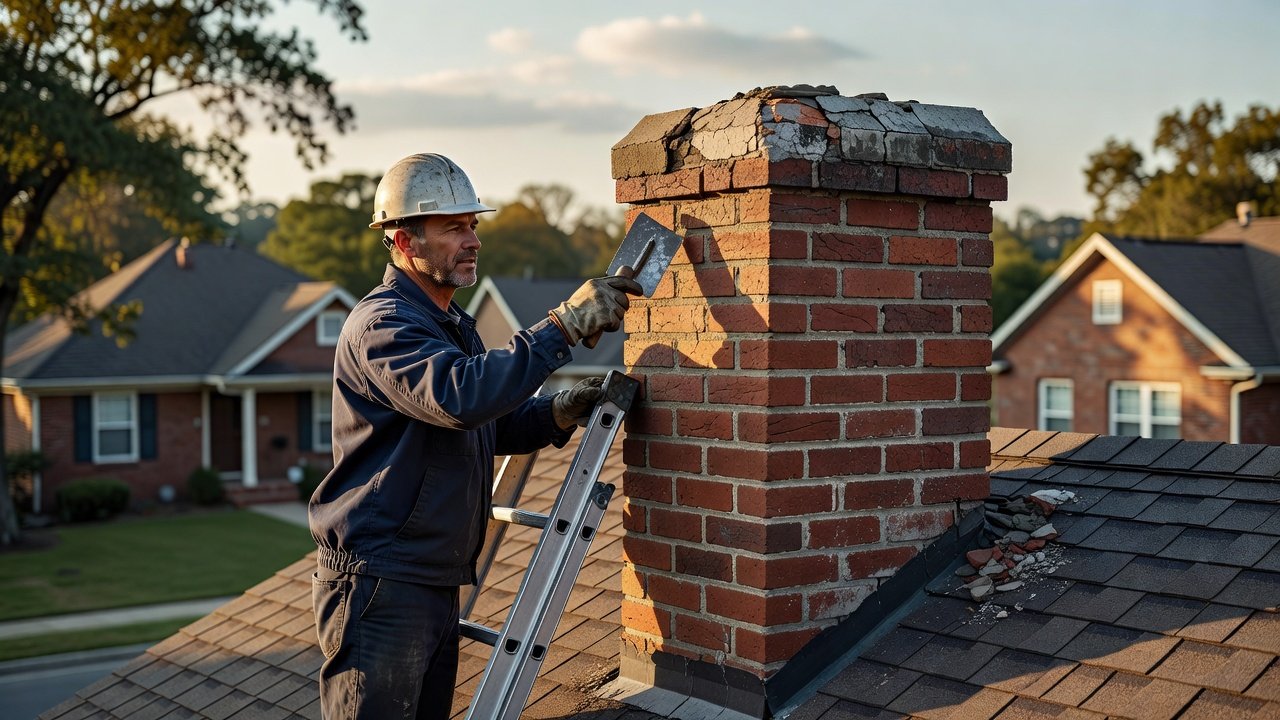
Many homeowners in Deer Park and throughout western Suffolk County don’t think about their chimney crown until they notice visible cracks, water stains inside the fireplace, or deteriorating mortar near the roofline. Unfortunately, waiting until the damage becomes obvious often turns a simple repair into a much more expensive project.
Knowing when to schedule chimney crown repairs and choosing a qualified contractor can help protect your chimney, extend its lifespan, and save you thousands of dollars in future masonry repairs.
In this guide, we’ll explain why chimney crowns are so important, the best time of year to repair them on Long Island, what repairs typically cost, and how to choose a contractor you can trust.
Why Your Chimney Crown Is More Important Than You Think
The chimney crown is the concrete or mortar surface that seals the top of the chimney around the flue liner. Its primary purpose is to direct rainwater away from the masonry rather than allowing moisture to soak into the bricks and mortar.
When a chimney crown cracks or deteriorates, water begins penetrating the chimney structure. During Long Island’s freeze-thaw cycles, trapped moisture expands as it freezes, causing cracks to widen and masonry to break apart.
A crack measuring only 1/16 inch before winter can become significantly larger after one season of freezing temperatures.
According to NFPA 211, moisture intrusion is one of the leading causes of chimney deterioration. The Chimney Safety Institute of America (CSIA) also recommends annual chimney inspections to identify crown damage before it leads to costly structural repairs.
Homes in Deer Park, Wyandanch, and nearby communities face additional challenges because salt-laden coastal air accelerates masonry deterioration. While these communities aren’t directly on the shoreline, Long Island’s coastal climate contributes to faster wear than many inland areas.
When Is the Best Time to Repair a Chimney Crown?
Timing plays a major role in the success and longevity of chimney crown repairs.
Spring (March Through May)
Spring is generally the best time for chimney crown repair on Long Island.
After winter weather has passed:
- Damage is easier to assess.
- Temperatures are ideal for masonry materials to cure properly.
- Contractor schedules are often more flexible.
- Repairs can be completed before heavy summer humidity and fall demand.
Scheduling during spring also allows plenty of time to complete any additional chimney repairs before fireplace season returns.
Summer (June Through August)
Summer is another excellent time for chimney maintenance.
Although hot temperatures require careful application of repair materials, experienced chimney professionals adjust their techniques to ensure proper curing.
Summer also provides homeowners with an opportunity to complete repairs before the busy fall season begins.
If your chimney showed signs of damage during the previous winter, don’t postpone repairs simply because you’re not currently using your fireplace.
Fall (September Through November)
Fall is often the busiest season for chimney companies throughout Deer Park, Wyandanch, North Babylon, Dix Hills, and surrounding Suffolk County communities.
As temperatures cool:
- Appointment availability becomes limited.
- Lead times increase.
- Emergency service requests become more common.
Waiting until late October or November may leave little time for repairs before colder weather arrives.
Many masonry materials and elastomeric crown coatings require temperatures above 40°F for proper curing. Repairing a chimney crown too late in the season may compromise the durability of the repair.
Winter (December Through February)
Winter is generally the least desirable time for chimney crown repairs.
Cold temperatures, freezing conditions, and moisture make permanent masonry repairs difficult.
If severe crown damage allows water into your fireplace during winter, a reputable contractor may recommend a temporary waterproof covering or emergency stabilization until permanent repairs can be completed during warmer weather.
Be cautious of contractors who promise permanent cold-weather repairs without explaining the limitations of winter masonry work.
How to Choose a Qualified Chimney Contractor
Chimney crown repair involves both roofing and masonry expertise. Hiring an experienced chimney professional is essential for long-lasting repairs.
Look for CSIA Certification
One of the best credentials to look for is CSIA (Chimney Safety Institute of America) Certification.
Certified technicians receive specialized training in chimney inspection, maintenance, and repair.
Don’t hesitate to ask:
- Are your technicians CSIA certified?
- Can you provide your certification information?
Experienced professionals should have no problem answering these questions.
Ask About Repair Materials
Not every chimney crown requires the same repair method.
Depending on the condition of the crown, repairs may include:
- Elastomeric crown coatings
- Crack sealing
- Portland cement crown rebuilding
- Tuckpointing
- Partial crown reconstruction
- Complete crown replacement
A contractor should explain why a particular repair method is recommended instead of offering a one-size-fits-all solution.
Request a Written Estimate
Always request a detailed written estimate that outlines:
- Inspection findings
- Recommended repairs
- Materials used
- Labor costs
- Warranty information
Itemized estimates make it easier to compare contractors and understand exactly what work will be performed.
Watch for Common Red Flags
Homeowners should be cautious if a contractor:
- Solicits door-to-door immediately after a storm
- Claims major damage without inspecting the chimney
- Refuses to provide proof of insurance
- Cannot verify workers’ compensation coverage
- Pressures you into making an immediate decision
Professional chimney contractors rely on inspections—not high-pressure sales tactics.
Make Sure the Entire Chimney Is Inspected
A damaged chimney crown rarely exists in isolation.
Water entering through the crown can also affect:
- The flue liner
- Smoke chamber
- Firebox
- Masonry joints
- Chimney cap
A complete Level 1 or Level 2 chimney inspection helps identify hidden moisture damage before repairs begin.
How Much Does Chimney Crown Repair Cost in Deer Park?
The cost depends on the severity of the damage and the repair method required.
Typical price ranges in Suffolk County include:
| Service | Typical Cost |
|---|---|
| Crack sealing and elastomeric crown coating | $200–$600 |
| Partial or complete chimney crown rebuild | $700–$1,500 |
Actual pricing varies depending on:
- Chimney size
- Roof accessibility
- Extent of deterioration
- Materials required
Extremely low estimates may indicate that important steps—or necessary repairs—are being omitted.
Why Scheduling Early Saves Time and Money
Each year, chimney companies across Suffolk County experience a sharp increase in service requests as temperatures begin to fall.
Homeowners who schedule repairs in spring or summer typically enjoy:
- Greater appointment availability
- Faster project completion
- Better preparation before heating season
- More time to address additional chimney issues if discovered
Waiting until late fall often means competing for limited appointments while colder temperatures reduce the number of days suitable for masonry work.
Preventive maintenance is almost always less expensive than repairing extensive water damage after another winter has passed.
Frequently Asked Questions
1. How do I know if my chimney crown needs repair?
Visible cracks, missing pieces of concrete, water stains inside your fireplace, crumbling mortar, or white staining (efflorescence) on the chimney exterior are common signs that your chimney crown should be inspected.
2. Can a cracked chimney crown cause water damage?
Yes. Even small cracks allow rainwater to enter the chimney system, leading to damaged masonry, deteriorating mortar joints, rust, and interior fireplace damage over time.
3. What’s the difference between repairing and replacing a chimney crown?
Minor cracks can often be repaired with specialized sealants or elastomeric coatings. Severely deteriorated crowns usually require partial or complete reconstruction to restore proper protection.
4. How long does chimney crown repair take?
Most minor repairs can be completed in a few hours. Larger crown rebuilds may require one to two days, depending on the size of the chimney and weather conditions.
5. When should I schedule chimney crown repairs?
Spring and summer are generally the best times. Scheduling early provides ideal weather conditions, shorter wait times, and ensures your chimney is ready before winter arrives.
Protect Your Chimney Before Winter Arrives
A damaged chimney crown may seem like a small issue today, but it can quickly lead to water intrusion, masonry deterioration, and expensive structural repairs if ignored.
Whether you’ve noticed visible cracks or simply haven’t had your chimney inspected in several years, addressing crown issues early helps protect your home and extend the life of your entire chimney system.
Ridgewood Chimney proudly serves homeowners throughout Deer Park, Wyandanch, North Babylon, Dix Hills, and surrounding Suffolk County communities with professional chimney inspections, crown repairs, masonry restoration, and preventive maintenance.
Contact Ridgewood Chimney today for a free chimney inspection. Our experienced technicians will evaluate your chimney crown, flue liner, and entire system, then provide honest recommendations and dependable repairs to keep your chimney performing safely for years to come.
Related reading
Carl Brennan, NFI Certified
Chimney Restoration Specialist
NFI-certified specialist in masonry repair, crown rebuilding, and chimney waterproofing.