
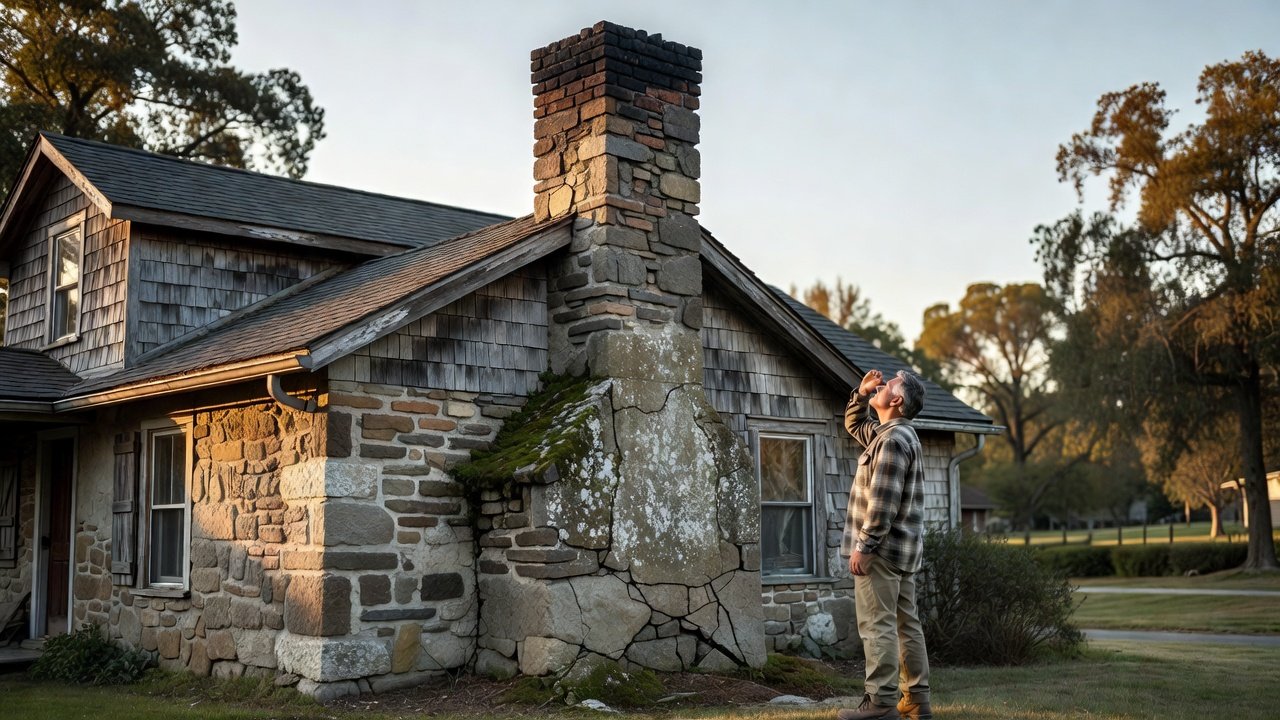
Signs Your Chimney Needs Masonry Repair: What Madison, NJ Homeowners Should Know
Brick and mortar are durable building materials, but they are not immune to wear. Years of exposure to rain, snow, freezing temperatures, and repeated freeze-thaw cycles can gradually weaken a chimney’s masonry. Over time, moisture infiltration and seasonal weather changes may cause bricks, mortar joints, and chimney crowns to deteriorate.
Recognizing the early warning signs of masonry damage can help homeowners address problems before they become more extensive or expensive to repair. Here’s what to look for and when it’s time to schedule a professional chimney inspection.
Warning Signs Your Chimney May Need Masonry Repair
Many masonry issues become visible before they affect the structural integrity of the chimney. Knowing what to watch for can help you decide when to seek professional evaluation.
White Staining on the Brick (Efflorescence)
A white, powdery residue on the outside of the chimney is known as efflorescence. It forms when moisture carries naturally occurring salts through the masonry and deposits them on the brick surface as the water evaporates.
While efflorescence itself is not typically a structural problem, it often indicates that excessive moisture is entering the chimney system. If it appears alongside deteriorating mortar or damaged bricks, scheduling a professional inspection is recommended.
Cracked or Deteriorating Mortar Joints
Mortar joints should remain firm and intact. If you notice cracked, recessed, loose, or crumbling mortar, moisture may be entering the chimney structure.
Damaged mortar can allow water to penetrate deeper into the masonry, increasing the likelihood of additional deterioration over time. Professional repointing or tuckpointing may be recommended depending on the extent of the damage.
Flaking or Spalling Bricks
Spalling occurs when moisture enters brick, freezes, expands, and causes portions of the surface to break away.
If bricks are cracking, flaking, or losing pieces of their surface, they should be evaluated before the damage spreads. Left untreated, deteriorated bricks can compromise portions of the chimney structure.
Loose Brick or Mortar Debris
Finding pieces of mortar or brick inside the fireplace or around the base of the chimney may indicate that masonry materials are deteriorating.
A professional inspection can determine whether the debris is cosmetic or the result of more significant structural deterioration.
Cracked Chimney Crown
The chimney crown helps direct water away from the masonry below. Cracks in the crown may allow rainwater to enter the chimney system, potentially contributing to masonry damage over time.
Visible cracks or missing sections of the crown should be evaluated and repaired before water intrusion worsens.
Interior Water Stains
Water stains, peeling paint, or moisture around walls or ceilings near the fireplace may indicate water entering through the chimney system.
Although several conditions can contribute to interior moisture, chimney deterioration is one possible cause that should be professionally evaluated.
Smoke or Draft Problems
If smoke enters the room during fireplace use or your fireplace drafts differently than it has in the past, the cause could involve creosote buildup, obstruction, chimney liner damage, or masonry deterioration.
Because several conditions can produce similar symptoms, a professional chimney inspection is the safest way to determine the cause.
A Leaning or Shifting Chimney
If your chimney appears to lean, separate from the home, or show unusually large cracks, avoid delaying an inspection.
Structural movement should be evaluated promptly by a qualified chimney professional.
What Chimney Masonry Repair Typically Involves
Every chimney repair begins with a thorough inspection to determine the condition of both the visible masonry and accessible portions of the chimney system.
Depending on the findings, repairs may include:
- Repointing or tuckpointing deteriorated mortar joints.
- Replacing damaged or spalling bricks.
- Repairing or rebuilding the chimney crown.
- Repairing flashing where the chimney meets the roof.
- Installing or replacing a chimney cap.
- Waterproofing masonry after repairs, when appropriate.
Some projects may also require additional evaluation of the chimney liner or other structural components if deterioration has extended beyond the exterior masonry.
What Does Chimney Masonry Repair Cost?
The cost of chimney masonry repair varies depending on several factors, including:
- The amount of damaged masonry.
- Chimney height and accessibility.
- Whether brick replacement is required.
- The condition of the chimney crown.
- Whether structural rebuilding is necessary.
Minor tuckpointing projects generally cost less than extensive brick replacement or partial chimney rebuilding. Because every chimney is different, homeowners should request a written estimate after a professional inspection rather than relying on generalized pricing.
Obtaining estimates from multiple qualified contractors can also help you compare repair recommendations and scope of work.
Schedule a Professional Chimney Inspection
If you’ve noticed crumbling mortar, damaged bricks, water stains, or other signs of chimney deterioration, scheduling an inspection sooner rather than later can help prevent additional masonry damage.
Ridgewood Chimney proudly serves homeowners throughout Madison, Morris County, and surrounding New Jersey communities with professional chimney inspections and masonry repair services. Our experienced technicians carefully evaluate your chimney, explain any issues they find, and recommend repairs based on the condition of your system.
Contact Ridgewood Chimney today to schedule your professional chimney inspection and learn whether your chimney masonry needs repair before small problems become larger ones.
Our services
North Massapequa, NY · Massapequa, NY · Babylon, NY · North Lindenhurst, NY · Copiague, NY · North Amityville, NY