
Your Chimney Is Telling You Something — Are You Missing the Signs?
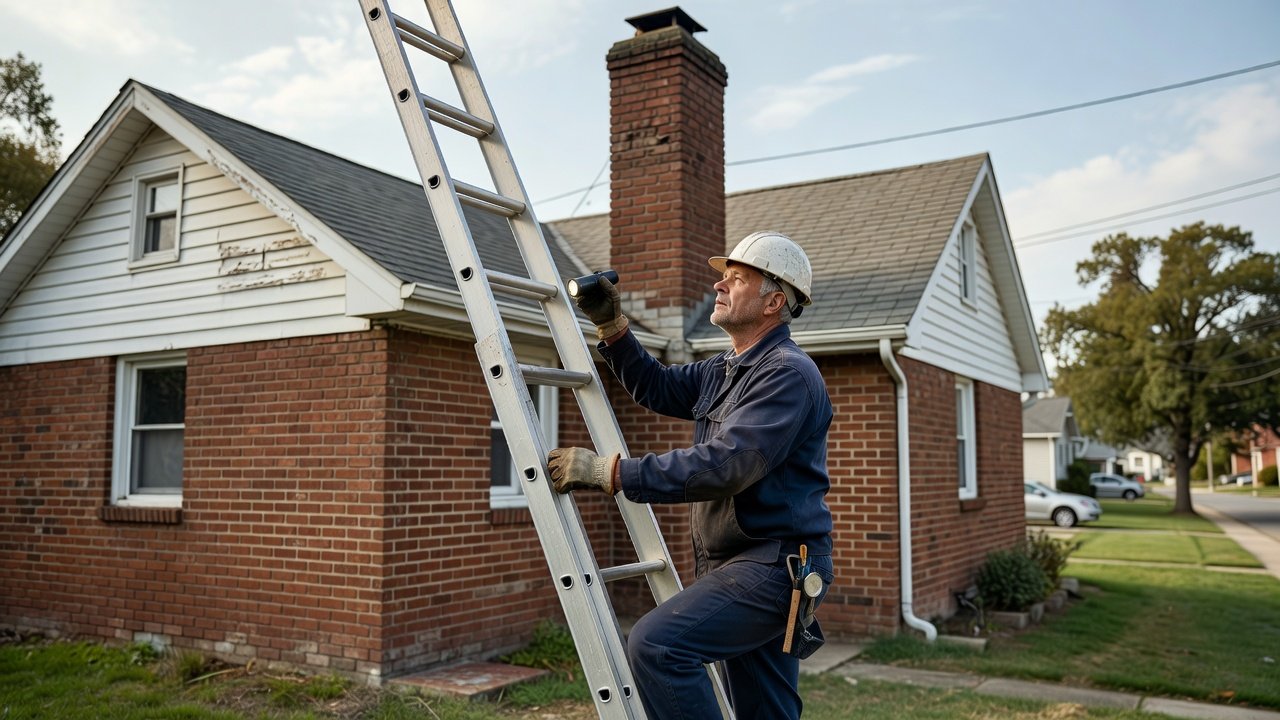
Most homeowners in Deer Park and Central Islip don’t think about their chimney until something goes wrong. That’s exactly the mistake that leads to a $4,000 repair bill, a carbon monoxide scare, or worse. A chimney inspection catches problems when they’re still small. Skipping one, or waiting too long, turns small into expensive and small into dangerous. The NFPA 211 standard is plain about this: all chimneys, fireplaces, and vents should be inspected at least once a year. The Chimney Safety Institute of America (CSIA) backs that same schedule for good reason. Chimney fires in the U.S. cause hundreds of millions of dollars in property damage annually, and the majority are preventable. This post is about what you can actually see, hear, and smell inside and outside your home that tells you a chimney inspection in Deer Park or Central Islip shouldn’t wait another season.
The Mistake That Costs Homeowners the Most
The most common error isn’t skipping an inspection entirely. It’s waiting until a symptom looks “bad enough.” Homeowners see a small crack, notice a faint smell, or find a few crumbled bricks and think, “I’ll keep an eye on it.” By the time they call, the flue liner is compromised, water has been working through the masonry for two winters, and what could have been a $300 fix is now a $2,500 liner repair.
Here are the specific, observable signs that tell you to stop watching and start calling.
Warning Signs That Mean You Need a Chimney Inspection Now
White staining on the outside of your chimney
That chalky white residue is called efflorescence. It’s mineral deposit left behind when water moves through the masonry and evaporates. It looks cosmetic. It isn’t. It means water is penetrating your brick or mortar, and freeze-thaw cycles, which hit Long Island hard from November through March, are slowly destroying the structure from inside out. Get an inspection before the next cold snap.
Mortar joints that look recessed, crumbling, or soft
Walk around your chimney and look at the joints between the bricks. They should be flush and firm. If you can poke at the mortar with a key and it crumbles or feels sandy, that’s called spalling and it’s past the “watch it” stage. This is a structural issue that opens the chimney to water, animals, and eventually collapse of sections of the crown or stack.
A smell like campfire or barbecue when the fireplace isn’t in use
Creosote has a distinctive odor. When you’re not burning anything and you still smell smoke or a stale, woody burning smell near the firebox, it means creosote has built up inside your flue and that smell is pushing back through the damper. Level 2 and Level 3 creosote deposits are fire hazards. A CSIA-certified chimney sweep can classify what you have and remove it safely. Do not wait on this one.
Smoke backing into the room when you have a fire
This is urgent. Smoke that enters the living space instead of drafting up the flue means something is blocking or restricting airflow. Possible causes include a closed or stuck damper, a collapsed flue tile, a bird or animal nest, or severe creosote buildup. It also means you may be pulling combustion gases including carbon monoxide into the room. Stop using the fireplace and call for an inspection.
Visible rust on the damper or firebox
Open the damper and look at it. Orange or brown rust on the damper plate, or rust streaks inside the firebox, indicates moisture is getting into the system. That moisture source needs to be identified. Common culprits in Central Islip homes are a missing or cracked chimney cap, a deteriorated crown, or flashing that has separated from the stack.
Chunks of tile or dark flaky debris in the firebox
If you’re finding small pieces of orange clay tile or flakes of what looks like dark, shiny rock at the bottom of your firebox, those are pieces of your flue liner falling apart. A damaged liner is a serious code and safety issue. NFPA 211 requires chimneys to have a sound, properly sized flue liner. Without one, heat and combustion gases can reach combustible framing inside your walls. This needs professional attention immediately.
Water in the firebox after rain
A small amount of moisture near the damper can happen, but standing water or clearly wet surfaces in the firebox after a rainstorm means your chimney cap is missing, cracked, or the crown has failed. Long Island gets significant precipitation year-round, and an unprotected flue lets water run straight down the flue and into your firebox, accelerating every other type of damage.
A chimney that’s been sitting unused for more than one season
Deer Park and Central Islip have a lot of older housing stock with fireplaces that haven’t been lit in years. Before you light the first fire, have it inspected. Animals nest in unused flues, masonry deteriorates without notice, and old liner systems may not meet current safety standards. The CSIA recommends a Level 2 inspection any time a property changes hands or a system has been out of service.
Call a Pro Now vs. Keep an Eye on It
Call now: Smoke backdrafting, flue tile debris in the firebox, strong creosote odor, visible damage to the liner, or water pooling in the firebox. These are active safety hazards.
Schedule soon, don’t delay past the season: Efflorescence, recessed mortar joints, rust on the damper, or more than 12 months since the last inspection. These aren’t immediate emergencies but they can become one quickly.
What a Chimney Inspection Costs in the Deer Park Area
A standard Level 1 inspection in the Deer Park and Central Islip area typically runs between $100 and $200. A Level 2 inspection, which includes a camera scan of the flue interior, generally falls between $200 and $350. These numbers vary by company and chimney complexity, but any quote that seems drastically lower than that range deserves scrutiny.
The CSIA advises homeowners to verify that the technician holds current CSIA certification before work begins.
Don’t Wait for Something to Go Wrong
Ridgewood Chimney serves homeowners throughout the region, including Deer Park, Central Islip, and the surrounding Suffolk County communities. Our CSIA-certified inspectors follow NFPA 211 protocols on every visit. If you’ve seen any of the warning signs above, or if you simply can’t remember the last time your chimney was looked at, contact us today for a free inspection estimate.
A short conversation now is a lot easier than a fire investigation later.
Related from Deer Park Chimney NY: Professional Chimney Repair in Deer Park, NY