
Creosote Removal in Deer Park, NY — Before the Cold Season Traps the Danger Inside
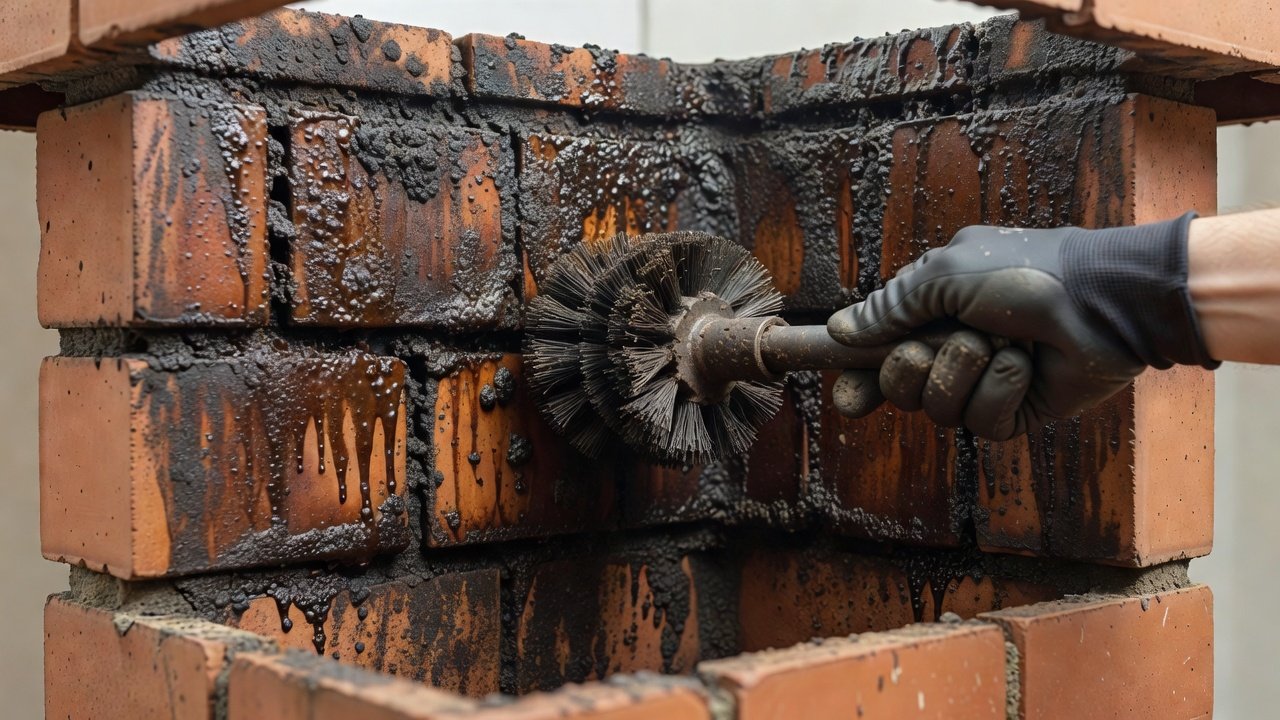
Creosote removal is the process of clearing a highly flammable, tar-like byproduct that accumulates inside your chimney flue every time you burn wood. Left unchecked, creosote is the leading cause of residential chimney fires in the United States and here on Long Island, where wood-burning season runs from October through April, the buildup can become dangerous faster than most homeowners expect. If your fireplace has seen more than 70 to 80 fires since its last cleaning, or if you notice a sharp, acrid odor when the fireplace is cold, your chimney almost certainly needs professional creosote removal before you light another fire.
At Deer Park Chimney NY, creosote removal is one of the most requested services we handle throughout western Suffolk County. We serve Deer Park and surrounding communities including Wyandanch, North Babylon, Dix Hills, and Melville, and we understand exactly how the mix of damp Long Island winters and popular hardwoods like oak and cherry accelerates Stage 2 and Stage 3 creosote formation in local flues.
Why Deer Park Homeowners Face Above-Average Creosote Risk
Deer Park sits in a zone where temperatures swing dramatically between late autumn and early spring. Those temperature swings encourage homeowners to run fires at lower, smoldering intensities to stretch heating efficiency exactly the combustion condition that deposits the heaviest creosote. A slow-burning, cool fire (below 250°F flue temperature) condenses unburned wood gases into sticky, glazed creosote on the liner walls rather than venting them safely out the top of the stack.
Long Island’s abundant supply of accessible firewood also works against chimneys. Improperly seasoned or green wood common at roadside vendors and big-box stores releases far more moisture and tar compounds than seasoned hardwood with a moisture content below 20%. When that moisture-laden smoke hits a cool terracotta or stainless flue in a Suffolk County winter, the result is rapid, heavy creosote layering.
Three Stages of Creosote and What We Find in Local Flues
Not all creosote is the same, and the removal method depends entirely on the stage we’re dealing with:
- Stage 1 (Flaky / Dusty): Light, sooty deposits that brush away easily during a standard chimney sweep. This is the safest and least expensive stage to address.
- Stage 2 (Tar / Crunchy): Hardened, shiny tar that has dried and fused to the liner. Requires rotary loop cleaning systems and specialized chemical treatments to loosen the bond before mechanical removal.
- Stage 3 (Glazed): Dense, concentrated, glossy coating that has essentially become a second inner wall inside the flue. Stage 3 is the highest fire-risk category and often requires multiple treatment applications, professional chemical strippers, and in severe cases a liner inspection to confirm the underlying terracotta or metal is still structurally sound.
In our experience working Deer Park chimneys, Stage 2 deposits are the most commonly encountered typically in flues that were cleaned one or two seasons ago but have been used heavily or with substandard wood since then.
Our Creosote Removal Process, Step by Step
We don’t show up, brush a few strokes, and hand you a receipt. Our creosote removal service follows a deliberate, verifiable sequence:
- Visual Pre-Inspection: Before any tools go into the flue, we perform a top-down and firebox-up visual assessment to identify the creosote stage, any liner cracks, and clearance concerns. We document what we find so you can see it.
- Drop Cloth and Hearth Protection: We seal the firebox opening with a professional dust containment system. Your living room stays clean this is non-negotiable on every job.
- Stage-Appropriate Mechanical Cleaning: For Stage 1, heavy-duty chimney brushes sized to your exact flue dimensions remove loose deposits. For Stage 2, we add rotary power cleaning systems that break up the hardened tar layer systematically from the top down. Stage 3 glazed creosote receives a professional-grade chemical treatment applied directly to the deposits 24 to 48 hours before the mechanical clean, which converts the glaze to a more brittle, removable form.
- Debris Removal: All loosened creosote and soot are vacuumed from the smoke chamber and firebox using HEPA-equipped equipment. Nothing is left sitting in your firebox.
- Post-Clean Inspection: We re-inspect the flue after cleaning to confirm deposit levels are within safe limits and to flag any liner damage that the creosote buildup may have been concealing.
- Written Summary: You receive a clear, plain-language report of what was found, what was removed, and any recommended follow-up work with no pressure sales.
What Is Included When You Book Creosote Removal with Us
- Full pre-cleaning visual inspection of the flue and firebox
- Stage-appropriate mechanical cleaning (brush, rotary, or chemical-assisted)
- HEPA vacuum removal of all loosened deposits
- Smoke chamber and smoke shelf cleaning
- Post-cleaning flue condition assessment
- Written inspection summary with photos where applicable
- Honest, itemized recommendations — no bundled upsells you didn’t ask for
Chemical creosote treatment products and rotary power equipment are included in Stage 2 and Stage 3 pricing and quoted upfront, not added as surprise line items.
Trusted by Deer Park Neighbors for Straightforward Chimney Work
We are a locally operated chimney service company based in Deer Park, NY, licensed and insured to work throughout Suffolk County. Our technicians are trained to CSIA (Chimney Safety Institute of America) standards and stay current on NFPA 211 guidelines the national standard that governs chimney inspection and cleaning requirements.
We’ve cleaned and inspected chimneys in Deer Park’s older residential neighborhoods, including homes built in the postwar expansion era of the 1950s and 1960s, where original clay tile liners are common and often the first to show stress damage hidden beneath heavy creosote deposits. Knowing the housing stock in this area isn’t incidental it shapes how we approach every job.
We do not subcontract creosote removal work. The technician who answers your questions is the technician who cleans your chimney.
Creosote Removal FAQ — Specific to Deer Park Homeowners
How often does a wood-burning fireplace in Deer Park need creosote removal?
NFPA 211 recommends annual inspection and cleaning for any chimney in active use. In Deer Park, where wood-burning season runs roughly six months and many homeowners use their fireplaces several times a week through January and February, once per year ideally in September or early October before the season starts is the minimum. Households burning more than 3 cords of wood per season may benefit from a mid-season check in January.
Can I use a creosote sweeping log from the hardware store instead of a professional cleaning?
Creosote sweeping logs can help dry out and slightly reduce light Stage 1 deposits, making them marginally easier to brush away. They are not a substitute for professional mechanical removal. They do not address Stage 2 or Stage 3 creosote, they do not clean the smoke chamber or smoke shelf, and they provide no inspection of the liner’s structural condition. The Chimney Safety Institute of America does not classify sweeping logs as a replacement for professional chimney cleaning.
My chimney smells like campfire or asphalt in the summer — is that a creosote problem?
Almost certainly yes. During humid Long Island summers, moisture in the air activates creosote deposits inside the flue, releasing the sharp, smoky, or tar-like odor that drifts into the living space especially when the air conditioning creates negative pressure that draws chimney air into the house. That smell is a reliable indicator that significant creosote is present and that scheduling a pre-season removal before October is the right call.
Schedule Your Creosote Removal in Deer Park Today
Don’t let another heating season begin with unexamined creosote in your flue. A single chimney fire can cause structural liner damage that costs thousands to repair and far worse, it can put your family at risk. Our team at Deer Park Chimney NY is ready to inspect, assess, and fully remove creosote deposits from your chimney so you can burn safely all season long.
Call us today or use our online booking to schedule your creosote removal appointment in Deer Park, NY. We offer straightforward pricing, no-pressure recommendations, and we’re available for both pre-season appointments and urgent inspections after you’ve noticed warning signs. Your chimney should protect your home does not threaten it.
Do not wait on this
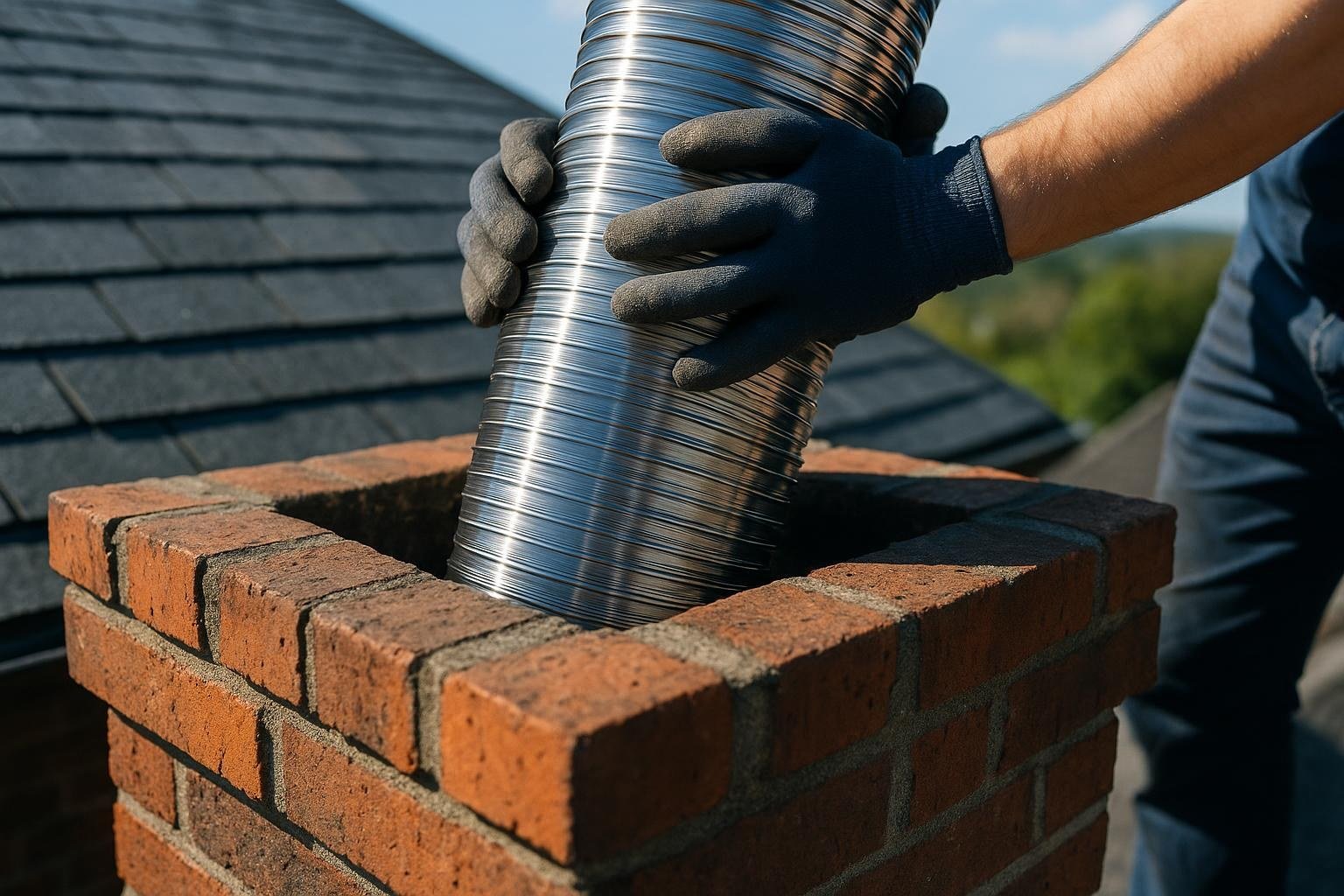
Creosote does not care about your schedule. It builds with every fire, and past a certain point it only takes one hot ember. A yearly sweep and inspection is cheap insurance for your family and your roofline.
Get it done right
Suffolk County homeowners call us because we show up, document everything, and leave the place cleaner than we found it.
Call (631) 825-0121