
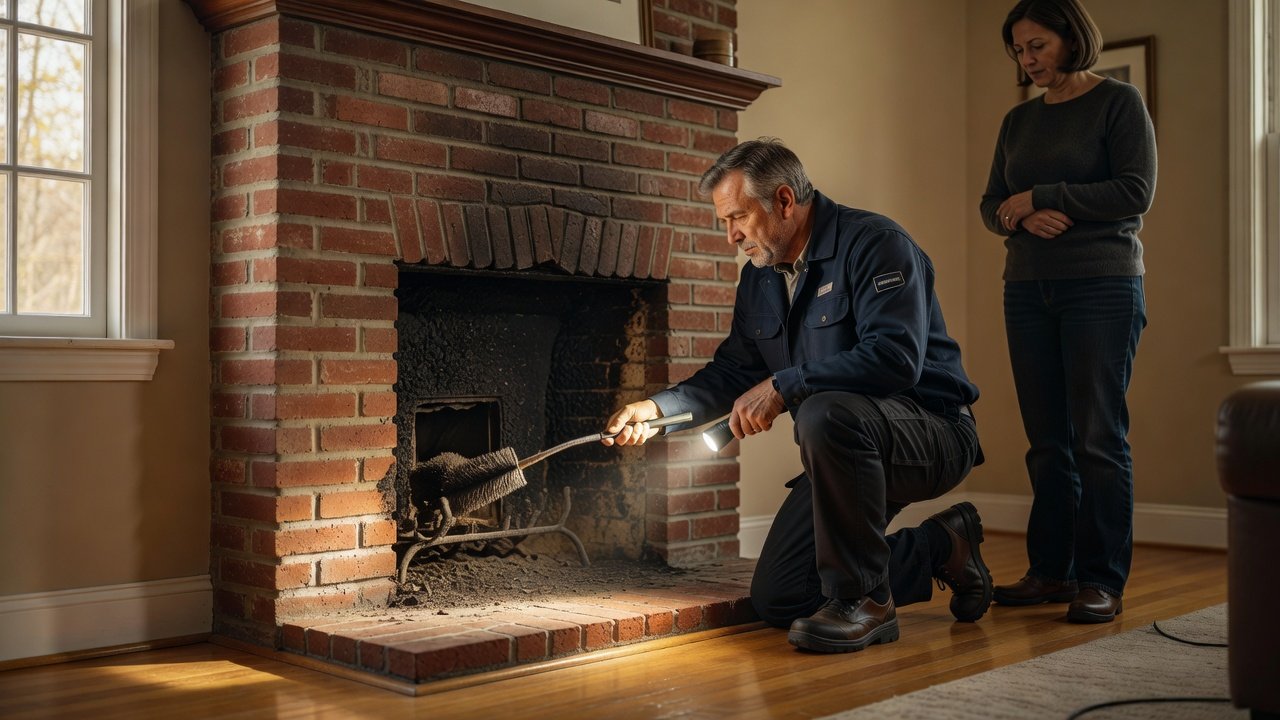
Warning Signs Your Chimney Flue Needs Cleaning Now: Deer Park, NY Homeowners
A dirty or obstructed chimney flue can create serious problems for homeowners in Deer Park, NY. Creosote buildup can contribute to chimney fires, while nests and other blockages can interfere with proper venting. Some warning signs are visible from the fireplace or ground, but others require a professional inspection to identify. The National Fire Protection Association recommends inspecting chimneys at least once a year and cleaning them when necessary. If you use a fireplace or wood-burning stove, knowing which warning signs to look for can help you decide when to stop using the system and call a professional.
1. A Strong, Tar-Like Odor Coming from the Fireplace
A sharp, smoky, or tar-like smell coming from your fireplace may be associated with creosote deposits inside the chimney. The odor can become more noticeable during humid weather or when air pressure causes air to flow down the chimney into the house.
However, smell alone cannot confirm how much creosote is present or whether it has formed a hard, glazed coating. A professional needs to assess the flue to determine the condition of the deposits and whether cleaning is necessary.
What to do: Arrange a chimney inspection if the odor persists or returns regularly. If you also notice smoke entering the room or suspect a blockage, stop using the fireplace until it has been assessed.
2. Black Flakes or Debris Falling into the Firebox
Dark flakes or chunks appearing in the firebox may be soot, creosote, or debris from a deteriorating chimney component. Their appearance alone does not establish the cause, but unusual debris is worth investigating.
Creosote is combustible, and significant deposits can increase the risk of a chimney fire. The CSIA identifies creosote fragments, damaged flue tiles, and other physical changes as signs that may indicate a chimney fire or chimney damage.
What to do: Do not light another fire until the source of unusual debris has been checked. Ask a qualified chimney professional to inspect the flue and determine whether cleaning or repairs are needed.
3. Smoke Backing into the Room During a Fire
Smoke that repeatedly enters your living room instead of traveling up the chimney is a warning sign. Possible causes include a blocked flue, a closed or malfunctioning damper, inadequate draft, or a problem with the chimney or appliance.
A blockage may be caused by nesting material, leaves, other debris, or a damaged chimney component. Draft problems can also have other causes, so it is important not to assume that creosote is responsible without an inspection.
What to do: Stop using the fireplace and arrange a professional assessment before lighting another fire. If a carbon monoxide alarm sounds or you suspect combustion gases are entering the home, evacuate immediately and call 911 from outside. Carbon monoxide is colorless and odorless, so you should never rely on smell to determine whether it is present.
4. A Rumbling or Roaring Sound Inside the Chimney
A loud rumbling sound, intense crackling, dense smoke, or flames and sparks coming from the chimney top can indicate a chimney fire. Some chimney fires are less dramatic and may go unnoticed until an inspection reveals damage.
A chimney fire can expose the liner and nearby combustible materials to extreme heat. Even if the fire appears to have stopped, the chimney may have cracked tiles, damaged joints, or other hidden problems.
What to do: If you suspect a chimney fire, evacuate the home and call 911. Do not climb onto the roof or attempt to inspect or extinguish the fire yourself. Do not use the fireplace again until a qualified professional has evaluated the chimney and determined what repairs are necessary.
5. White Staining on the Exterior Chimney Masonry
White, chalky deposits on brick or mortar are commonly called efflorescence. They form when moisture moves through masonry and leaves mineral salts on the surface as it evaporates.
Efflorescence can indicate moisture movement, but it does not automatically mean that the flue liner is damaged or that the chimney needs cleaning. Other signs, such as crumbling mortar, flaking brick faces, or water entering the home, may indicate that masonry repairs are also needed.
What to do: Arrange an inspection if the staining persists, returns after cleaning, or appears alongside visible masonry deterioration. The professional can assess possible sources of moisture and recommend whether repairs, cleaning, or further investigation are appropriate.
6. The Damper Is Stuck or Will Not Open Fully
The damper helps control airflow through the fireplace. Depending on its design, it closes the flue when the fireplace is not in use and opens to allow smoke to escape during operation.
A damper that sticks, rattles, or fails to open fully may have corrosion, mechanical damage, or deposits interfering with its movement. A damper problem does not necessarily mean the chimney is dirty, but it should be addressed before the fireplace is used.
What to do: Have a qualified professional examine the damper and surrounding area. Do not force a stuck component or light a fire while the damper cannot open correctly.
7. Animals, Nesting Material, or Insects Near the Fireplace
Birds and other animals can enter chimneys that lack suitable protection or have damaged caps. Twigs, leaves, nesting material, and other debris can obstruct the flue and interfere with proper venting.
Scratching sounds, visible nesting material, or animals emerging from the fireplace may indicate that something has entered the chimney. Insects near the hearth may also warrant investigation, although they do not automatically prove there is a nest inside the flue.
What to do: Do not light a fire if you suspect a nest or blockage. Contact a chimney professional to assess the obstruction and determine how it can be removed safely. Wildlife may be protected by applicable laws, so removal should account for the species and circumstances. Ask the professional to check whether the chimney cap is missing or damaged and whether replacement is needed.
8. It Has Been More Than a Year Since Your Last Inspection
Even if your fireplace appears to work normally, the chimney may have accumulated creosote or developed a problem that is not visible from the firebox.
The CSIA recommends annual chimney inspections and cleaning when necessary. Cleaning frequency depends on how often the appliance is used, the fuel burned, the system’s design, and the amount and type of deposits found. A calendar reminder is useful, but an inspection is what helps determine whether cleaning is needed.
The CSIA advises cleaning masonry fireplaces when soot buildup reaches about one-eighth of an inch and sooner when glaze is present. Homeowners should not attempt to measure deposits by climbing inside a flu or accessing the roof.
What to do: If you cannot remember your last inspection, schedule one before using the fireplace regularly. Ask whether the appointment includes cleaning, an inspection, and a written explanation of any recommended work.
What Does Chimney Flue Cleaning Cost in Deer Park, NY?
The cost of chimney cleaning depends on the chimney’s condition, height, accessibility, number of flues, and the type of deposits that need to be removed. A routine cleaning may cost less than a job involving heavy creosote buildup or additional inspection work.
Some local service providers publish estimates for standard cleaning and inspection, but advertised prices are not guaranteed quotes for your home. Ask for a written estimate that explains what is included and whether additional charges may apply for video inspection, difficult access, or repairs.
Remember that cleaning and inspection are different services. A cleaning removes deposits and certain obstructions, while an inspection assesses the condition of the chimney and helps identify damage or other safety concerns.
Schedule a Chimney Inspection in Deer Park, NY
If you have noticed persistent odors, falling debris, smoke entering the room, a stuck damper, or signs of a possible chimney fire, do not ignore them. Some issues require an urgent response, while others can be evaluated through a routine professional appointment. When a safety concern is present, stop using the fireplace until the cause has been assessed.
Ridgewood Chimney is identified as a provider serving Deer Park and surrounding Suffolk County communities, including Wyandanch, North Babylon, Dix Hills, and Wheatley Heights. Before publishing a promotional offer, confirm the company’s current service area, qualifications, and whether it provides free inspections.
You can review the company’s website at Ridgewood Chimney if this is the intended business website. Verify the URL and service details before publication.
Regular inspections and appropriate cleaning can help identify chimney problems before they become more serious. If you are unsure about your flue’s condition, arrange an assessment before using your fireplace again.
Related from Deer Park Chimney NY: Chimney Flue Cleaning in Deer Park, NY · Chimney Cap Missing in Deer Park, NY? Warning Signs and What to Do
Our services
North Lindenhurst, NY · Copiague, NY · North Amityville, NY · Lindenhurst, NY · West Babylon, NY · Wyandanch, NY